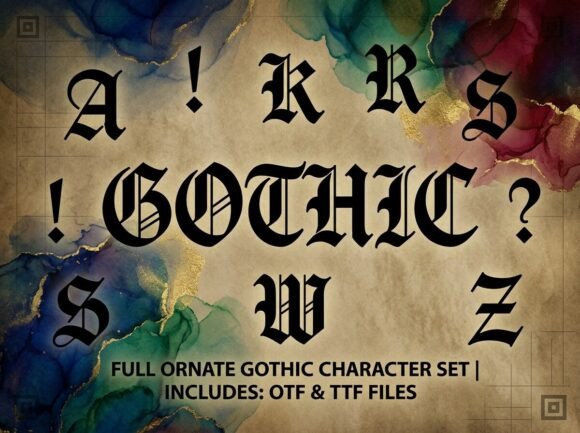
Gothic: Channel Medieval Script and Dark Romance
Some typefaces whisper. Gothic, the full ornate gothic character set, commands attention with the weight of history and the precision of a master engraver. It’s a premium display font that doesn’t just sit on a page—it inhabits it, bringing a powerful, almost tangible aura of dark romance and medieval authority. For designers and creators seeking a typeface with a true commanding presence, this is a tool that transforms text into a visual monument.
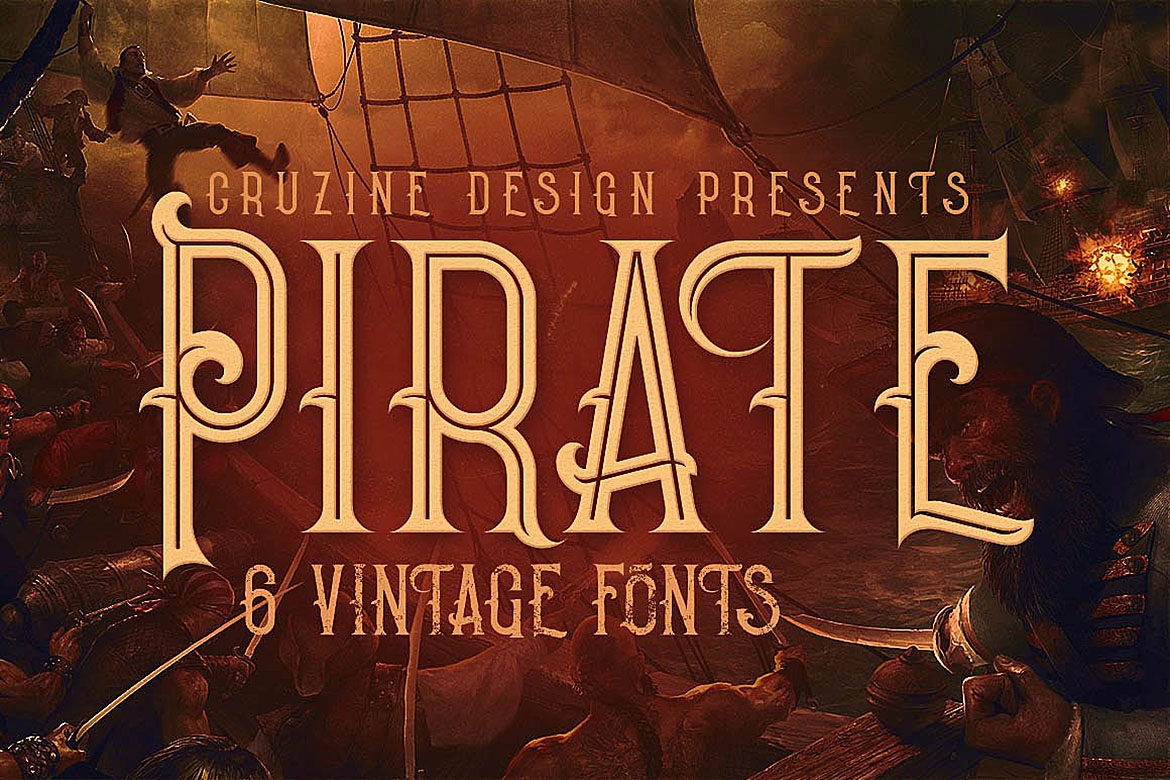
At its core, Gothic is a majestic homage to classical Blackletter calligraphy. But this isn’t a simple historical replica. It’s a carefully crafted modern interpretation that balances the aggressive fractures and heavy vertical stems of its ancestors with a refined, contemporary clarity. The true hallmark is in the details: specialized dual-line chiseled splits carved into the core of its focal characters. This gives each letterform the authentic, hand-engraved quality of a vintage woodcut or a medieval manuscript, lending your work an immediate sense of historical prestige and artisanal craftsmanship.
A Typeface Forged in Atmosphere
Understanding the visual personality of Gothic is key to unlocking its potential. This is a typeface built for impact and atmosphere. Its sharp, aggressive lines and sweeping verticals create a sense of formality, tradition, and even mystery. The dual-line detailing adds a layer of intricate texture that catches the eye, making it ideal for projects where the typography itself needs to be a centerpiece. It’s meticulously tracked to ensure immaculate edge clarity, which means it remains legible and powerful even when placed against heavily detailed or abstract backgrounds—a common challenge in modern design.
This makes Gothic an extraordinary centerpiece for specific creative niches. Imagine it gracing the cover of a dark academia novel, where its scholarly weight meets a hint of the occult. Picture it as the logotype for an alternative streetwear brand, where its historical roots contrast sharply with contemporary urban style. It’s a natural fit for luxury metal merchandise, vintage tattoo parlor logos, witchy tarot card layouts, and dramatic gaming user interfaces. In each case, the font doesn’t just label the content; it sets the entire mood.
Practical Applications for Impactful Branding
Moving beyond inspiration, the practical applications of a creative font like this are vast. Its strength lies in projects that require a strong brand identity built on a foundation of depth and character.
- Logo Design & Brand Identity: For a brand that wants to communicate heritage, luxury, or a touch of the macabre, Gothic becomes the anchor. It works brilliantly for a craft brewery, a bespoke jewelry line, a high-end barber shop, or a publisher specializing in fantasy or horror. The font’s built-in character does much of the branding heavy lifting.
- Editorial & Packaging Design: Use it for headline treatments on posters, magazine covers, or book titles. Its strong vertical stems make it surprisingly effective for packaging design on products like artisanal spirits, gourmet coffee, or specialty teas, where a vintage or premium feel is desired.
- Merchandise & Marketing Assets: This is where a display font shines. It creates instantly recognizable and desirable graphics for t-shirts, hoodies, hats, and band posters. For digital marketing, use it in social media graphics for event announcements, podcast covers, or YouTube thumbnails to stop the scroll with a bold, thematic statement.
- Digital Products & Invitations: The font adds a layer of ceremony and importance. It’s perfect for the cover of a digital planner, the title page of a downloadable e-book, or the headline on a formal invitation to a gala, wedding, or themed event.
Pairing and Readability: The Practical Balance
A common question with any ornate or script font is about readability. Gothic, with its intricate details, is designed primarily for headlines, logos, and short bursts of impactful text. Using it for body copy would quickly tire a reader’s eye. The practical advice here is straightforward: embrace its role as a statement piece. Let it be the star of the show in large formats.
The real magic happens in font pairing. To achieve visual consistency and a professional presentation, pair Gothic with a clean, complementary typeface. A simple sans serif font or a minimalist serif font creates a beautiful contrast that enhances readability for longer text while allowing the Gothic headline to remain the focal point. Testing these pairings is crucial. Place your chosen Gothic headline next to a paragraph set in a font like Open Sans, Lato, or a classic serif like Garamond. The contrast in weight and style creates a dynamic, engaging hierarchy that guides the viewer’s eye naturally.
Integrating Gothic Into Your Design Workflow
When you decide to use a premium font like this, it becomes a valuable design asset in your toolkit. Before starting a project, review the included font styles. Does it come with alternates, ligatures, or multiple weights? These extras can provide subtle variations that keep your typography feeling fresh across different applications.
Finally, always consider the licensing. A commercial font is a professional tool, and its license dictates how you can use it—whether for a single client project, unlimited personal projects, or across an entire company’s merchandise. Understanding this ensures your work remains compliant and professional, whether you’re a freelance designer delivering assets to a client or a small business owner building your own brand.
In the end, choosing a typeface like Gothic is a strategic decision. It’s about matching the visual language of your typography to the core goals of your project. It’s for those moments when you need more than just letters on a page—you need an atmosphere, a story, and an undeniable presence that resonates with your audience on a deeper level.