The Sweet Angel Font: A Guide to Elegant Script Typography
There is a specific challenge in design: how to communicate elegance without pretension, and romance without being overly saccharine. It is a delicate balance. Many script fonts lean too heavily into formal calligraphy, making them look dated or stiff, while others are so casual they lack the sophistication needed for professional branding. Finding that sweet spot—a typeface that feels both polished and approachable—is often the key to connecting with a modern audience. This is where the Sweet Angel font enters the conversation, offering a solution that feels genuinely joyful and visually distinct.
More Than Just Curves: Understanding the Font's Personality
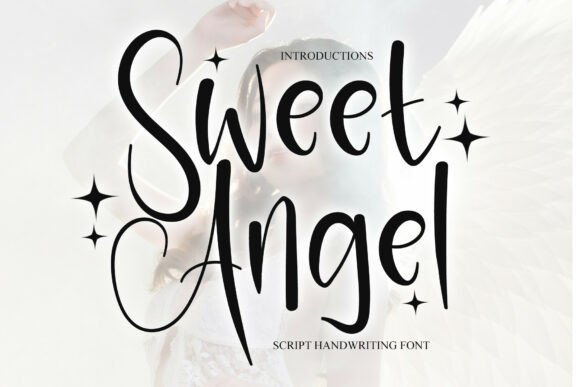
At its core, Sweet Angel is a cursive handwritten font, but that simple description doesn't fully capture its character. It avoids the sharp, aggressive angles found in some modern scripts, instead favoring soft, flowing lines that feel organic and natural. The letterforms have a gentle bounce to them, giving text a sense of movement and life. This isn't a static, perfectly uniform typeface; it has the charming irregularities of genuine handwriting, which helps it feel human and relatable.
What makes it particularly useful is its versatility within its niche. It’s not a single-note font. The included styles allow for a range of expression. You might use the regular weight for body text on an invitation, then switch to a bold version for a headline on a social media graphic. Some versions may include stylistic alternates or swashes—decorative flourishes at the beginning or end of letters. These extra glyphs are what separate a good script font from a great one, allowing you to customize the look for a specific word or logo, making it truly unique to your project.
Where Sweet Angel Truly Shines: Practical Applications
Theory is one thing, but the real value of a font like this is in its application. Where does this particular style of typography deliver the most impact? Its strengths lie in projects where a personal, high-end, or celebratory tone is desired.
For Branding and Logo Design: A logo is the cornerstone of a brand's visual identity. Sweet Angel can be a perfect choice for businesses that want to project warmth, creativity, and a personal touch. Think of a boutique wedding planner, a handmade jewelry shop, a florist, a children's clothing line, or a high-end bakery. Using this font for a logotype or a monogram instantly communicates a sense of care and artistry. It suggests that the brand values beauty and personal connection, which can be a powerful differentiator in a crowded market.
Packaging and Product Design: The shelf is a competitive space. Packaging needs to tell a story quickly. A script font like Sweet Angel on a label for artisanal soap, gourmet jam, or scented candles can evoke a feeling of luxury and small-batch quality. It helps the product feel special, as if it was made with passion rather than mass-produced. This visual cue can justify a premium price point and attract customers looking for unique, thoughtful gifts.
Invitations and Event Stationery: This is perhaps the most natural home for a cursive handwritten font. Wedding invitations, baby shower announcements, milestone birthday cards, and graduation party invites all benefit from a typeface that feels celebratory and intimate. Sweet Angel adds that essential romantic and joyful touch, setting the tone for the event before a single word is read. It works beautifully for save-the-dates, RSVP cards, and thank-you notes, creating a cohesive and beautiful stationery suite.
Digital Presence and Social Media: In the fast-scrolling world of social media, personality is key. Using Sweet Angel for Instagram stories, quote graphics, or promotional banners can help a brand stand out. It’s perfect for creating elegant text overlays on photos, especially for lifestyle, beauty, food, and fashion content. For a website, it’s best used sparingly but effectively—for example, in a hero section headline, a special announcement, or as part of a call-to-action button to add a touch of flair. Pairing it with a clean sans-serif font for body text ensures the site remains easy to read while still having a distinctive brand voice.
Making It Work: Practical Tips for Using Script Fonts
Choosing a beautiful font is only the first step. Using it effectively is what separates amateur work from professional design. Here are some grounded considerations for incorporating Sweet Angel or any similar script into your work.
Readability is Non-Negotiable. The most common mistake with script fonts is using them for long blocks of text. Their intricate letterforms can become difficult to read at small sizes or in lengthy paragraphs. Reserve Sweet Angel for headlines, subheadings, short phrases, logos, and call-outs. For body copy—whether on a website, in a brochure, or on packaging—always pair it with a highly legible serif or sans-serif font. A good pairing creates a clear visual hierarchy, guiding the reader's eye to the most important information first.
Test Your Font Pairings. Don't just assume two fonts will look good together. Create a simple mock-up. Type out a headline in Sweet Angel and a paragraph in a potential partner font (like a classic serif such as Garamond or a modern sans-serif like Montserrat). View it at different sizes. Does the script font overwhelm the other? Is there enough contrast in weight and style? The goal is harmony, not competition. A good pairing makes the script font pop while the supporting font provides stability and readability.
Consider the Context and Audience. A font communicates a mood. Sweet Angel's joyful and romantic style is ideal for wedding vendors, gift shops, and lifestyle brands. It might not be the best fit for a corporate law firm or a tech startup aiming for a minimalist, ultra-modern aesthetic. Always ask: does the personality of this font align with the message I want to send and the audience I'm trying to reach? The answer should guide your typographic choices.
Understand the License. When you acquire a premium font, you're not just buying the files; you're buying the right to use them. Always read the license agreement. Most commercial fonts, including Sweet Angel, come with a license that permits use in logos, on websites, and on printed materials. However, some licenses may have restrictions on use in merchandise for resale (like t-shirts or mugs) or on digital products (like editable templates). Knowing the terms upfront protects you legally and ensures you can use the font for all your intended projects without issue.
Ultimately, typography is a tool for communication. A font like Sweet Angel is a powerful tool for conveying specific emotions and values. By understanding its personality, applying it to the right projects, and using it thoughtfully alongside other design elements, you can create visuals that are not only beautiful but also effective in building a memorable brand and engaging your audience on a deeper level. It’s about adding that joyful, elegant touch in a way that feels authentic and enhances the overall story you’re telling.