Ahoy, Matey! How the Pirate Font Brings Bold Character to Modern Design
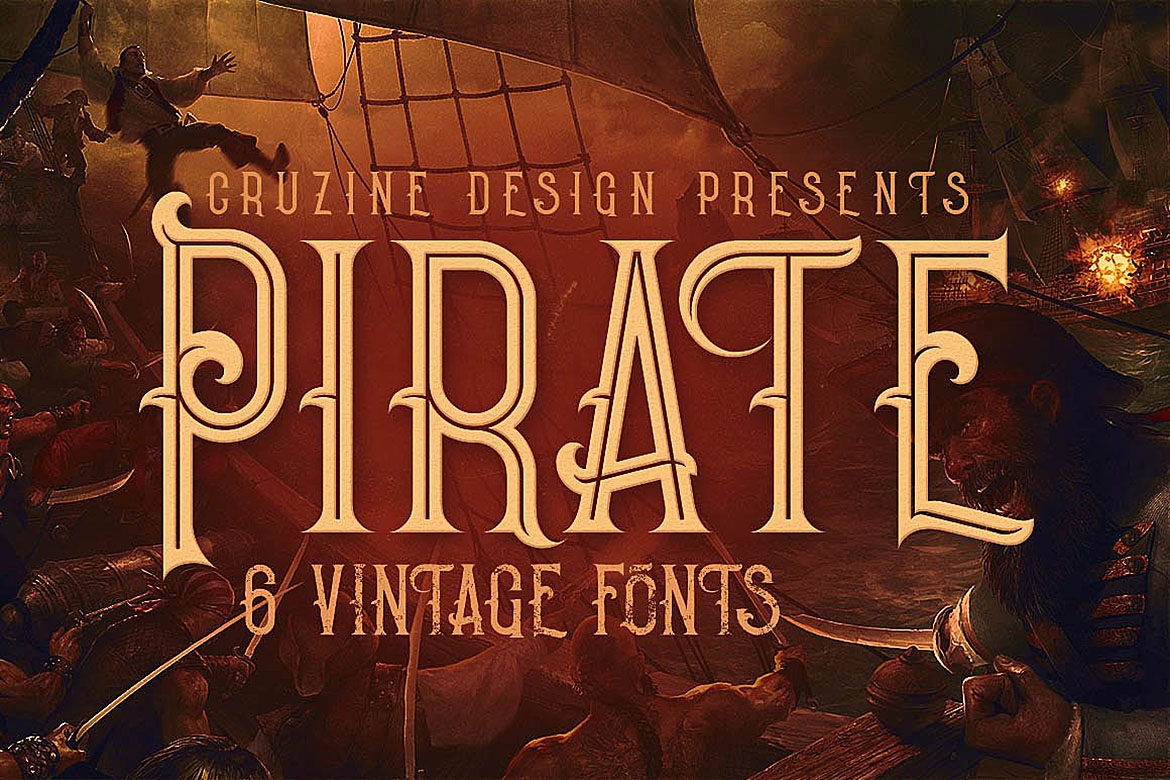
There’s something undeniably magnetic about a typeface that carries a story before you even read the words. Pirate, a phenomenal and thematic display font, captures that adventurous, swashbuckling spirit and channels it into something surprisingly versatile. While its name might conjure images of wooden ships and buried treasure, this premium font offers much more than seafaring novelty. With multiple font styles ranging from bold and weathered to elegant and refined, Pirate provides a toolkit for designers, entrepreneurs, and creators who want their projects to stand out with unmistakable personality.
More Than a Gimmick: The Visual Power Behind the Name
Let’s be honest—when you hear “Pirate font,” your mind might jump straight to Halloween party invitations or kids’ birthday banners. But dismissing it as a one-trick typeface would be a mistake. The real appeal of Pirate lies in its carefully crafted letterforms, which balance decorative flair with surprising readability. The serifs have a hand-carved quality, the strokes carry subtle texture, and the overall weight gives it presence without overwhelming a layout.
What makes this display font genuinely useful is the range of styles included. You’re not locked into a single aesthetic. Depending on the version you choose, Pirate can feel rugged and vintage, polished and editorial, or even playful and whimsical. That flexibility means it can anchor a brand identity, elevate a logo, or add visual interest to a social media post—without feeling out of context.
Where Pirate Truly Shines: Real-World Applications
Think about the brands and projects that stick with you. They usually have a distinct voice, and typography plays a huge role in that. Pirate works exceptionally well in contexts where you want to evoke a sense of adventure, craftsmanship, or storytelling.
- Logo design and branding: For breweries, outdoor apparel companies, adventure tourism brands, or even indie game studios, Pirate’s character-rich lettering can become the backbone of a memorable visual identity. It signals personality and confidence.
- Packaging design: Imagine this font on a craft coffee bag, a hot sauce label, or artisanal chocolate packaging. The textured, slightly weathered styles add an authentic, handcrafted feel that premium consumers respond to.
- Social media graphics: Bold display fonts like Pirate stop the scroll. Use it for Instagram story headers, YouTube thumbnails, or Pinterest pins where you need to communicate energy and intrigue in a split second.
- Posters and event invitations: Themed events, book launches, theater productions, or even a backyard barbecue—Pirate brings a festive, thematic quality that sets the mood instantly.
- Editorial layouts and blogs: Pull quotes, chapter headings, and featured article titles benefit from a font with this much visual weight. It draws the eye and creates natural hierarchy on the page.
- Merchandise and digital products: T-shirts, mugs, stickers, e-book covers—anywhere you need a typeface that looks as good printed on cotton as it does on screen, Pirate delivers.
The key is matching the font’s energy to your project’s goals. A law firm probably won’t reach for Pirate, but a craft distillery, a travel blog, or a children’s adventure series absolutely should.
Choosing the Right Style and Pairing It Well
One of the most practical advantages of Pirate is that it comes with several font styles. This isn’t a single-weight display font you use once and forget. Depending on the project, you might opt for:
- A bold, textured variant for headlines that need to feel substantial and tactile.
- A cleaner, more refined style when you want personality without sacrificing polish—great for editorial design or web headers.
- A decorative or script-inspired option for invitations, quotes, or accent text that needs a personal, handwritten touch.
Before committing to a style, test it at the actual size it will appear. A font that looks gorgeous at 72 points on your monitor might lose legibility at 18 points in a packaging mockup. Print a sample if you’re working on physical materials. View it on a phone screen if it’s heading to social media. Context matters.
Font pairing is where many projects succeed or stumble. Pirate’s display nature means it works best alongside something more understated. A clean sans serif font for body text creates a pleasing contrast—think of it as the supporting actor that lets the star shine. Alternatively, pairing Pirate with a simple serif font can feel cohesive and sophisticated for editorial layouts. Avoid combining it with other highly decorative typefaces; the result tends to feel chaotic rather than intentional.
Strengthening Brand Identity Through Thoughtful Typography
Consistency is the quiet engine of brand recognition. When your audience sees the same typeface across your website, packaging, emails, and social posts, they start to associate that visual language with your business. Choosing a font like Pirate—with enough versatility to work across multiple touchpoints while maintaining a cohesive personality—makes that consistency achievable.
Consider how a small business owner might approach this. Say you run a specialty hot sauce company. You use Pirate’s bold style for your logo and product labels, a slightly lighter weight for your website headers, and the same font family for promotional posters at farmers’ markets. Suddenly, every piece of visual communication feels connected. Customers recognize your brand before they even read the company name. That’s the kind of visual shorthand that builds loyalty over time.
For content creators and bloggers, the same principle applies. If your YouTube channel, podcast cover, and blog all use Pirate for key headlines, you’re reinforcing your brand with every piece of content. It’s a subtle but powerful way to stand out in a crowded digital landscape.
Practical Considerations Before You Dive In
Before incorporating any premium font into your workflow, a few practical steps will save you headaches down the road.
First, review the licensing terms. Most commercial fonts come with specific usage rights—some cover personal projects only, while others allow commercial use across print and digital. Make sure the license matches how you plan to use it, especially if you’re creating merchandise or client work.
Second, explore the full character set. Display fonts like Pirate often include alternates, ligatures, and special characters that can elevate your design from good to exceptional. Spend a few minutes in your design software exploring what’s available—you might discover a stylistic alternate that perfectly suits your project.
Third, think about accessibility. While display fonts are fantastic for headlines and accent text, they’re generally not ideal for long paragraphs of body copy. Use Pirate where it makes the most impact—at display sizes—and pair it with a highly readable typeface for everything else. Your audience will thank you.
Finally, don’t be afraid to experiment. Typography is one of the most expressive tools in your design toolkit. Try Pirate in unexpected contexts. See how it looks on a minimalist website versus a maximalist poster. Test it in a monochrome palette versus a vibrant color scheme. The more you explore, the better you’ll understand how to use it effectively.
Great design isn’t about following rigid rules—it’s about making intentional choices that serve your message and your audience. A typeface like Pirate, with its rich character and surprising range, gives you the freedom to do exactly that. Whether you’re building a brand from scratch, refreshing a visual identity, or simply looking for a font that brings genuine personality to your next project, it’s worth setting sail with something that refuses to blend into the background.