Unleash Pure Dread: The Lamvier Font for Horror Design
There is a specific moment in design when you need more than just a typeface; you need a visceral reaction. You aren't looking for something polite or professional in the traditional sense. You are looking for something that scratches at the screen, something that looks like it was scrawled on a basement wall in the dead of night. For creators working in the horror genre, true crime content, or edgy streetwear branding, the typography has to do the heavy lifting. It has to feel dangerous before the viewer even reads the word. This is the space where Lamvier operates, offering a raw, aggressive aesthetic that transforms standard text into a visual warning.
A Visual Language of Terror
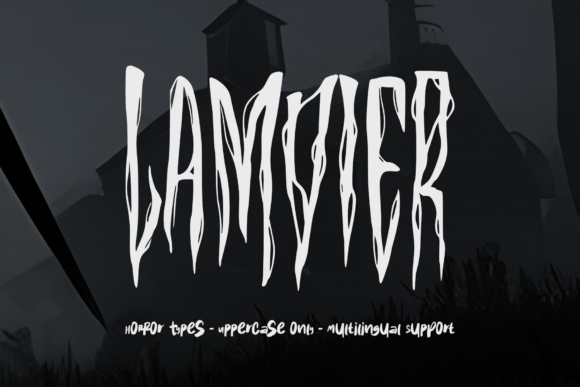
Lamvier is not your average decorative font. It is a display typeface built entirely around the concept of fear. When you look at the letterforms, the first thing that hits you is the texture. The strokes mimic the erratic, jagged motion of hand scratches or claw marks. There is a distinct fluidity to the design that creates the unsettling impression of blood—fresh, dripping, and ominous. It doesn't just sit on the page; it invades it.
One of the defining characteristics of Lamvier is its exclusive use of uppercase letters. This design choice was intentional. Uppercase letters command attention. They block out negative space and force the viewer to confront the message. Combined with the sharp, creepy details of the font, the all-caps structure creates a wall of intensity. It screams rather than whispers. For designers, this means you don't need to rely on complex effects to get the point across; the font itself carries the horror narrative. The "hand scratch" aesthetic is particularly effective because it feels organic and chaotic, contrasting sharply with the clean, vector-perfect lines we are used to seeing in modern typography.
Practical Applications: Where to Deploy the Horror
While Lamvier is undoubtedly a niche font, its applications are surprisingly broad within specific industries. It is a premium font choice for anyone needing to establish a mood of suspense or danger immediately. If you are a designer working on a horror movie poster, the typography is often the first hook. Lamvier provides that immediate "scream" factor, making it perfect for titles and headers where you need to grab attention from across the room.
Beyond the obvious use in film posters and book covers, consider the world of independent entertainment. Video game developers working on survival horror or psychological thriller genres often struggle to find assets that look authentic. Lamvier fits this niche perfectly, offering a gritty texture that blends well with dark user interfaces. It is also highly effective for:
- Event Branding: Think haunted houses, Halloween festivals, or escape rooms. The font sets the tone on flyers and signage before guests even arrive.
- Merchandise: Streetwear brands often dabble in darker aesthetics. Lamvier can be used for graphic tees or hoodies that require an edgy, underground vibe.
- Editorial Design: For magazine covers or internal spreads focusing on true crime, paranormal investigation, or gothic fiction, this font adds a layer of authenticity.
- Social Media Graphics: In a feed full of polished, friendly fonts, a post using Lamvier stops the scroll. It is jarring in a way that commands engagement, making it useful for teaser campaigns or announcements for thriller content.
Even small business owners running niche shops—such as sellers of Halloween props, horror memorabilia, or alternative art prints—can use Lamvier to build a cohesive brand identity that resonates with their specific target audience.
Technical Versatility and Multilingual Support
A common pitfall with highly stylized display fonts is that they often lack technical polish. They might look great in English but fail completely when accents or special characters are introduced. Lamvier addresses this with robust multilingual support. This is a crucial feature for global designers. Whether you are creating a poster for a film festival in Europe or a book cover intended for a Spanish or French-speaking market, the font maintains its integrity. You don't have to worry about the scary effect being lost because a character looks different or is unavailable.
The font files are typically optimized for various software environments, ensuring that the jagged edges and blood-flow effects render correctly whether you are working in Adobe Illustrator, Photoshop, or other layout software. This allows for a seamless workflow. You can spend less time troubleshooting font compatibility and more time focusing on the composition of your design.
Pairing and Hierarchy: Balancing the Chaos
Because Lamvier is such a strong, intense font, it requires a careful approach to typography pairing. It is not designed for body text. The sharp details and heavy texture would make long paragraphs illegible and exhausting to read. Instead, Lamvier should be reserved for the "hero" text—titles, headers, and short, punchy phrases.
To create a professional presentation, you need to pair it with something that grounds the design. A clean, sans-serif font works best here. Think of fonts like Roboto, Open Sans, or Montserrat for the body copy. The contrast between the chaotic, bloody texture of Lamvier and the clean geometry of a modern sans-serif creates visual hierarchy. It tells the viewer, "This is the scary part (Lamvier)," and "This is the information (Sans Serif)." This balance ensures that your design remains readable while maintaining the desired spooky atmosphere.
Color usage is also vital. Lamvier thrives in high-contrast environments. Dark backgrounds (blacks, deep grays, midnight blues) allow the font's details to pop, especially if you use a stark white or a deep crimson for the text. However, be mindful of legibility. Zoom out and check if the letters are distinct. Sometimes, with such detailed textures, letters like 'S' and '5' or 'E' and 'F' can blend together if the font size is too small. Always test your kerning and tracking to ensure the text breathes, even if it is meant to look suffocating.
Commercial Licensing and Brand Consistency
For entrepreneurs and designers planning to use Lamvier in commercial projects, understanding the licensing is non-negotiable. Most premium fonts come with specific terms regarding usage on merchandise, digital products, and advertising. Before you finalize a logo design or a packaging mockup, ensure your license covers the intended distribution. A font is a design asset, and respecting the creator's terms protects your business from legal headaches down the road.
Using Lamvier consistently can significantly boost brand recognition within the horror niche. If you are a content creator who produces scary stories or a podcaster covering dark mysteries, using Lamvier as your signature header font creates a visual shorthand for your audience. They will see the jagged, blood-like text and immediately associate it with your content. This consistency builds trust and professionalism, showing that you take your visual communication seriously.
Ultimately, Lamvier is more than just a collection of scary letters. It is a tool for emotional manipulation in design. It allows you to bypass the rational mind and tap directly into a primal sense of unease. Whether you are designing a movie poster, a book cover, or a branding package for a haunted attraction, Lamvier provides the visual vocabulary to say, "Be afraid." By pairing it wisely and using it with intention, you can create designs that are not only frightening but also deeply memorable.