Speedster: Designing with Determination
Some projects demand more than just legibility; they require a voice that shouts before a single word is fully read. When you are building a brand that represents high energy, ambition, or raw power, a standard corporate sans serif simply won’t cut it. You need typography that feels like it is moving at 200 miles per hour while standing perfectly still on the page. This is where the right choice in typeface becomes a critical strategic asset, not just a decorative afterthought. It is about finding that specific visual rhythm that matches the heartbeat of your audience.
Imagine the typography used for a streetwear brand, a high-intensity fitness studio, or a tech startup disrupting the market. The letters need to have weight, attitude, and a distinct personality. This is the territory of the dynamic display font, a category designed specifically for headlines, logos, and attention-grabbing visuals rather than long blocks of body text. In this competitive landscape, finding a typeface that balances aggression with style can be the difference between a design that blends in and one that dominates the conversation.
Visual Velocity and Brand Persona
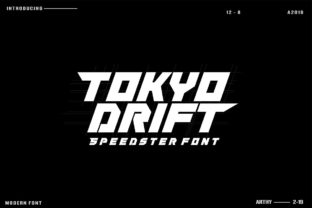
The visual language of modern typography often leans toward minimalism, but there is a significant counter-movement that favors bold, expressive lettering. A font like Speedster captures this perfectly. It is not just a set of characters; it is a statement of intent. The construction of the letterforms suggests forward motion and stability simultaneously. It possesses a unique persona that feels confident and ready to take on the world.
When you analyze the anatomy of this typeface, you notice the subtle details that give it character. It isn't just about being thick or heavy; it is about how the strokes are handled. There is a sense of engineering here, much like the aerodynamics of a high-performance vehicle. This makes it an ideal choice for projects where the brand identity needs to convey resilience and speed. Whether you are designing a logo for a racing team or creating a header for a motivational blog, the font does the heavy lifting of setting the emotional tone before the user even processes the content.
For small business owners and entrepreneurs, this is incredibly valuable. You might not have a massive budget for custom lettering, but a premium font with this much built-in character allows you to achieve a high-end look instantly. It bridges the gap between amateur design and professional branding by providing a foundation that already feels polished and intentional.
Practical Applications for High-Impact Design
Understanding where to deploy a typeface with this much energy is key to using it effectively. Because it is a display font, it shines brightest in scenarios where brevity and impact are required. Think about the environments where your audience is scrolling quickly or viewing content from a distance.
Logo Design and Branding
For logo design, a font needs to be memorable. Speedster offers a distinct silhouette that makes brand recognition easier. It is particularly effective for industries like automotive, sports, technology, and entertainment. When paired with a strong icon, it creates a lockup that feels professional and established. It helps in building a brand identity that feels cohesive from the business card to the storefront signage.
Packaging and Merchandise
On packaging, shelf appeal is everything. A font that commands attention can influence buying decisions in a split second. If you are designing labels for energy drinks, fitness supplements, or streetwear apparel, this typography style fits the product narrative perfectly. It translates well to merchandise like t-shirts, hats, and tote bags, where the text often acts as the primary graphic element.
Digital Presence and Social Media
In the realm of web design and social media, clarity on small screens is vital, but so is personality. Using this typeface for headers on your website or as the primary text on Instagram graphics ensures that your content stops the scroll. It works exceptionally well for YouTube thumbnails, podcast cover art, and promotional banners. The alternate characters included in the font files are a significant advantage here, allowing you to customize the look of specific letters to prevent repetition and add flair to your social media graphics.
Mastering Font Pairings and Readability
One of the most common mistakes in design is using a display font for body text. While a font like Speedster is visually striking, its strength lies in headlines and short bursts of text. Attempting to write a full paragraph in a heavy display typeface can lead to eye strain and reduced readability. The solution lies in effective font pairing.
A practical approach is to contrast the energy of the display font with the neutrality of a clean sans serif or serif font. For example, if you use Speedster for your main headings, consider pairing it with a classic sans serif like Roboto, Open Sans, or Lato for the body copy. This creates a visual hierarchy that guides the reader's eye. The display font grabs attention, and the body font delivers the information comfortably.
When testing your pairings, pay attention to weight and spacing. If your display font is bold and condensed, your body text might benefit from a lighter weight and more open letter spacing to create balance. Don't be afraid to experiment with different combinations. The goal is to create a visual conversation between the two typefaces where one leads and the other supports, rather than having them compete for attention.
Leveraging Alternates for Creative Flexibility
A key feature of high-quality creative fonts is the inclusion of alternates and additional glyphs. Speedster includes these extras, which are essential for designers who want to avoid a generic look. Alternates are variations of standard letters that offer a different stylistic approach—perhaps a different tail on a 'y' or a unique crossbar on an 'A'.
Using these alternates allows you to tailor the typography to the specific needs of your project. For instance, if you are creating a wordmark logo, swapping out a standard letter for a stylistic alternate can make the design feel unique and custom-crafted. This level of detail is what separates standard design assets from professional typography. It gives you the tools to fine-tune the personality of your text, ensuring it aligns perfectly with the brand's voice.
Furthermore, the inclusion of comprehensive punctuation and numbers is vital for commercial work. You need a font that can handle price tags, phone numbers, and complex sentences without breaking the visual flow. Ensuring that the numbers share the same stylistic weight as the letters maintains consistency across all marketing materials, whether it is a price list or a date on a poster.
Commercial Licensing and Professional Integrity
For designers, freelancers, and business owners, understanding font licensing is a non-negotiable part of the job. When investing in a premium font, it is crucial to review the End User License Agreement (EULA). This document dictates how you can legally use the typeface.
Most licenses cover "desktop use," meaning you can install the font on your computer to create logos, print materials, and static images. However, if you plan to use the font on a website using @font-face, or if you are creating digital products like templates for sale, you may need an extended license or a web font license.
Always verify the terms before starting a large project. Using a font correctly ensures that your client's brand is protected from legal issues down the road. It also supports the type designers who put hours of work into crafting these assets. A professional presentation includes not just the visual design, but the legal integrity of the assets used.
Ultimately, choosing a font is about finding a partner for your message. It requires a typeface that understands the assignment and brings the right amount of energy to the table. By focusing on versatility, readability, and strategic pairing, you can leverage dynamic typography to create designs that are not only seen but felt. It is your race, and you get to set the pace.