Capturing Timeless Charm with the Heirloom Font
There is a distinct feeling that washes over you when you find a box of old letters in an attic or flip through a vintage photo album. It is a sense of warmth, history, and personal connection. In the digital age, where clean lines and geometric precision often dominate our screens, recreating that feeling of authenticity can be a challenge. We often struggle to make our digital brands feel "lived in" or personal. This is where typography steps in to bridge the gap between the cold pixels of a screen and the warm touch of a handwritten note. If you are looking to infuse your next project with a sense of heritage and soft elegance, a typeface like Heirloom offers a compelling solution. It is not just a collection of letters; it is a design asset that brings a vintage, handwritten aesthetic to modern projects, allowing you to create visuals that feel treasured and timeless.
The Visual Language of Vintage Elegance
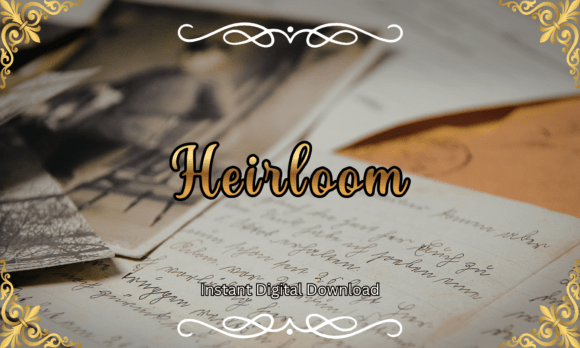
When we talk about a handwritten font, we are often referring to a wide spectrum of styles, from messy grunge scripts to neat cursive. However, the Heirloom font sits in a specific, refined niche. Inspired by vintage correspondence and keepsakes, it features soft, flowing curves and a rhythm that mimics natural handwriting without sacrificing legibility. It captures the essence of an antique aesthetic but is optimized for modern usage.
Visually, the typeface balances personality with professionalism. The letterforms have a gentle bounce and varied baseline that mimics ink on paper, giving it a human touch that rigid, standard fonts lack. This makes it an excellent display font. It commands attention in headlines and logos because it feels unique and crafted, rather than mass-produced. Whether you are using the uppercase letters for a bold statement or the lowercase for a friendly invitation, the font maintains a consistent warmth that draws the viewer in.
Practical Applications: From Branding to Keepsakes
Understanding where to apply a script font like Heirloom is key to maximizing its impact. Because it carries a strong emotional weight, it is best used in scenarios where connection and sentiment are paramount. Here is how different creatives can leverage this typeface:
- Wedding Stationery & Invitations: This is perhaps the most natural fit. The font mimics the elegance of calligraphy, making it perfect for save-the-dates, envelopes, and table numbers. It adds a romantic, bespoke feel to any wedding invitation suite.
- Small Business Branding: For boutique shops, handmade goods, bakeries, or artisan crafts, a vintage branding approach helps communicate quality and care. Using Heirloom for your logo or wordmark suggests that your products are made with love and attention to detail.
- Packaging Design: In a crowded marketplace, packaging design needs to tell a story quickly. A handwritten label on a jar of jam or a box of chocolates instantly communicates "homemade" and "authentic."
- Social Media Graphics: Instagram and Pinterest are highly visual platforms. Quotes, announcements, and sale graphics often get lost in the noise. Using a premium font with a distinct personality helps stop the scroll and makes your content more shareable.
- Family Keepsakes & Scrapbooking: For personal projects, such as creating a family recipe book or a heritage photo album, Heirloom provides the perfect caption style. It looks like it belongs on a scrapbook page, adding context without overpowering the photos.
Enhancing Brand Identity and Audience Engagement
Typography is a silent ambassador for your brand. The fonts you choose do more than just display words; they trigger psychological associations. By incorporating a creative font like Heirloom into your brand identity, you are signaling specific values to your audience.
First, it aids in brand recognition. A unique typeface is much easier to remember than a standard system font. When a customer sees that specific flowing "H" or the gentle curve of the "g," they will begin to associate that style with your business. Second, it fosters audience engagement. In a world of corporate sans-serifs, a warm, human font feels like a conversation rather than a broadcast. It invites the reader in, making them feel like they are receiving a personal note from the creator.
Furthermore, using Heirloom can improve your professional presentation. It shows that you have invested thought into your visual assets. It elevates a simple PDF into a digital product that looks polished and high-value, whether you are selling an ebook, a course workbook, or a set of printable art.
Design Strategy: Pairing and Readability
While a beautiful script typeface is a powerful tool, it requires a strategic approach to be effective. One of the most common mistakes in modern typography is using a decorative font for large blocks of text. Because Heirloom is a display-oriented font, it shines brightest in headlines, sub-headers, and logos. For body copy—such as the description on a product label or the details on a flyer—it is best paired with a clean, legible sans serif font or a simple serif font.
This concept, known as font pairing, creates visual hierarchy. The Heirloom font draws the eye and establishes the mood, while the secondary font delivers the detailed information clearly. When testing your pairings, ensure there is enough contrast in weight and style so the two fonts don't compete, but rather complement one another.
Additionally, always consider the medium. If you are designing for web design, ensure the font renders well on different screen sizes. If you are creating print materials like posters or business cards, print a test page to check the ink flow and spacing. The goal is to maintain the elegance of the font while ensuring the message is easily readable.
Technical Versatility and Commercial Use
A major hurdle for designers and entrepreneurs is finding assets that are both beautiful and functional across different software. One of the strengths of the Heirloom font package is its versatility. It comes in both TTF and OTF formats, ensuring compatibility with virtually any software you use, from Adobe Illustrator and Photoshop to Canva, Cricut Design Space, and even Microsoft Word.
This compatibility is crucial for maintaining a consistent workflow. You can design a logo in Illustrator for your website, create a social media post in Canva, and cut a vinyl decal for your shop using Cricut, all with the exact same typeface.
Equally important is the licensing. For anyone running a business, commercial use is non-negotiable. Using a font without the proper license can lead to legal issues down the road. The Heirloom font includes commercial rights, giving you peace of mind to use it on products for sale, client work, and marketing materials. This makes it a valuable long-term asset in your design assets library.
Bringing It All Together
Choosing the right typeface is about more than just aesthetics; it is about finding a voice for your visual communication. The Heirloom font offers a specific voice—one that is warm, nostalgic, and deeply personal. It allows you to step away from the sterile efficiency of standard digital text and create designs that feel like they have a story to tell.
Whether you are a small business owner looking to refine your packaging, a bride-to-be planning the perfect stationery, or a designer crafting a vintage logo for a client, this font provides the tools to execute that vision. It bridges the gap between the past and the present, offering a timeless elegance that resonates with audiences who appreciate quality and care. By thoughtfully integrating Heirloom into your projects, you aren't just adding text; you are adding a layer of soul and sophistication that makes your work truly memorable.