Discover Hairbrush: A Handwritten Font with Character
There's a certain magic in a design that feels personal, like it was crafted by a human hand rather than assembled by a machine. That’s the feeling a great handwritten font can evoke, and it’s exactly what the Hairbrush typeface delivers. This isn't just another script font; it's a premium font with a distinct personality, designed to inject warmth, authenticity, and a touch of elegance into your creative projects. Whether you're building a brand from scratch or refreshing an existing one, understanding how to wield a font like Hairbrush can be the key to creating visuals that truly resonate.
The Anatomy of a Charming Typeface
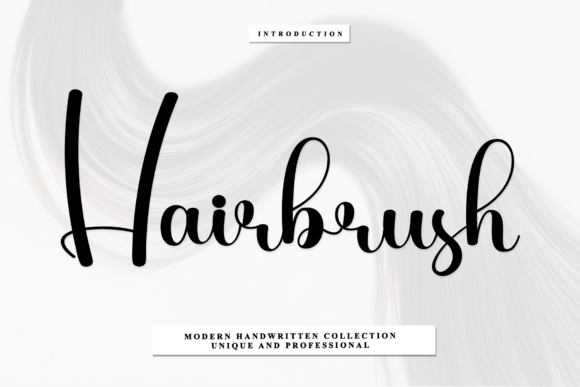
At its core, Hairbrush is a display font characterized by its flowing, connected letterforms and a natural, hand-lettered quality. Each character has been carefully crafted to avoid the sterile, repetitive look of some digital fonts. The subtle variations in stroke weight and the organic connections between letters give it a lively, approachable feel. This makes it an excellent choice for projects that need to convey creativity, friendliness, or artisanal quality. It sits beautifully between a formal script and a casual scrawl, offering enough structure for readability while maintaining a genuinely personal touch.
What sets it apart from other creative fonts is its versatility. While many handwritten fonts lean heavily into a rustic or overly casual aesthetic, Hairbrush maintains a balanced elegance. This allows it to function effectively across a surprising range of applications, from high-end branding to everyday social media graphics. Its visual consistency across different sizes helps maintain a cohesive look, whether it's gracing a large poster headline or a small product label.
Where Your Design Comes Alive: Practical Applications
The true test of any design asset is how well it performs in the real world. Hairbrush excels in scenarios where you want to make a human connection. Think of a boutique bakery's logo, where the font's warmth mirrors the handcrafted nature of their pastries. Or consider a wellness brand's packaging, where the flowing script suggests calm and care. For entrepreneurs and small business owners, using a distinctive typeface like this in your brand identity kit can significantly boost brand recognition. It becomes a visual shorthand for your values before a customer even reads the words.
Beyond logos and packaging, this handwritten font shines in digital spaces. It’s perfect for creating eye-catching social media graphics that stop the scroll. Imagine a motivational quote on an Instagram post rendered in Hairbrush—it immediately feels more inspiring and shareable. For bloggers and content creators, it can add personality to featured images, Pinterest pins, or email headers. In web design, it works wonderfully for accent elements like pull quotes, call-to-action buttons, or section headers, adding a layer of visual interest without compromising the overall readability of body text set in a clean sans serif font.
Don’t overlook print and editorial design either. Wedding invitations, event posters, and thank-you cards gain an instant sense of occasion and personality. Editorial layouts in magazines or lookbooks can use it for headlines or stylized captions to break up the monotony of standard serif and sans serif blocks. Even merchandise, like tote bags or mugs, becomes more appealing with a custom-feel font. The key is matching the font's style to your project's goal: its elegance suits formal invitations, while its energy works for event promotion.
Smart Typography: Pairing and Professional Polish
Using a distinctive font like Hairbrush effectively requires a bit of strategy. The most important rule is balance. A strong display or script font should be an accent, not the entire composition. Pairing it with a more neutral typeface creates hierarchy and ensures your message is clear. For instance, combine Hairbrush with a simple, geometric sans serif for a modern, clean look. Alternatively, pair it with a classic serif font to achieve a timeless, sophisticated feel. This practice of font pairing is fundamental to professional presentation and helps guide the viewer's eye through your design.
Readability is another crucial consideration. While Hairbrush is crafted for clarity, it's best used for short bursts of text—headlines, logos, slogans, or short phrases. Avoid setting long paragraphs or small body copy in any script or handwritten font, as it can strain the reader's eyes. Always test your designs at the intended size and on the intended medium. What looks stunning on a large poster might become an illegible smudge on a business card. This testing phase is non-negotiable for ensuring your final product is both beautiful and functional.
Before purchasing any premium font, including Hairbrush, review the full character set and included styles. Does it come with alternate characters, ligatures, or multiple weights? These extras can provide valuable flexibility, allowing you to fine-tune the look for different applications. Furthermore, always confirm the commercial licensing terms. Ensure the license covers all your intended uses, whether for a client's logo, merchandise for sale, or digital products. Understanding these details upfront protects your investment and prevents legal headaches down the line.
Making the Connection: From Font to Audience Engagement
Ultimately, typography is a tool for communication. The right typeface does more than spell out words; it conveys emotion, sets a mood, and builds a subconscious connection with your audience. A font like Hairbrush, with its inherent warmth and personality, can help a brand feel more approachable and human. This emotional resonance is a powerful driver of audience engagement. When your visual identity feels authentic and thoughtfully crafted, it builds trust and makes your message more memorable.
For the creative entrepreneur, marketer, or hobbyist, investing in high-quality design assets like a well-made font is an investment in your project's success. It elevates the perceived value of your work, helps you stand out in a crowded marketplace, and provides a consistent visual language that strengthens your brand identity over time. So, as you explore your next creative project, consider the story you want to tell. Sometimes, the most powerful stories are told not just with words, but with the very letters that form them.