Longhair: The Fluid Script for Sophisticated Branding
There’s a particular feeling you get when you see typography that just works. It’s not just readable; it communicates something on a visceral level. It might whisper luxury, shout with energy, or calmly suggest reliability. For designers, entrepreneurs, and creatives, finding that perfect typeface is like finding the right voice for a story you’ve been trying to tell. A font like Longhair, an elegant and fluid handwritten script, often enters the conversation precisely at this moment—not as a generic tool, but as a specific solution for projects demanding a touch of modern sophistication and human warmth.
Understanding the Font’s Personality
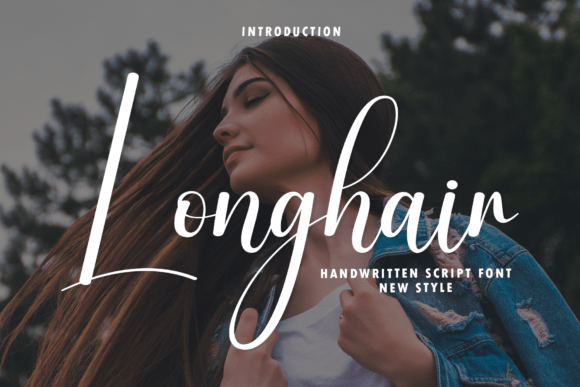
Longhair isn’t your typical casual script. Its design captures a sense of controlled flow, where each letterform connects with a natural, almost effortless rhythm. This creates an aesthetic that feels both personal and polished. The strokes have a consistent weight that avoids being too thin or too thick, making it remarkably versatile. It’s the kind of typeface that feels at home on a minimalist wedding invitation and equally compelling on the packaging of a high-end skincare product. Its personality is inherently elegant, fluid, and contemporary—qualities that make it a powerful tool for visual communication.
This modern script font bridges the gap between the organic feel of handwriting and the precision required for professional design assets. It doesn’t carry the baggage of overly formal, old-style calligraphy. Instead, it presents a cleaner, more approachable sophistication. For a small business owner developing a brand identity, or a content creator crafting a signature look, this distinction is crucial. You want a font that feels current and inviting, not dated or overly ornate.
Where This Script Truly Shines: Practical Applications
The true test of any premium font is how it performs in real-world scenarios. Longhair’s balanced design makes it a strong candidate for a wide array of creative and commercial projects. Think about where you need a human touch without sacrificing clarity or professionalism.
In Branding and Logo Design: A logo sets the tone for everything. Using Longhair as the primary logotype or for a brand’s tagline can instantly inject personality. It works beautifully for boutique businesses, lifestyle brands, creative agencies, and personal brands where the founder’s story is part of the appeal. Pair it with a clean sans-serif font for body text, and you have a dynamic, readable, and memorable brand identity system.
Across Print and Packaging: Imagine this script on the label of a artisanal candle, the sleeve of a gourmet coffee bag, or the thank-you card inside a subscription box. In packaging design, typography is a key tactile element. Longhair’s fluid lines suggest care and quality, enhancing the unboxing experience. For print materials like business cards, letterheads, or high-end catalogs, it adds a distinctive signature touch that elevates the perceived value of the product.
Digital Presence and Marketing: In the crowded digital space, visual consistency is key to brand recognition. This font can be a secret weapon for social media graphics, giving your Instagram Stories, Pinterest pins, and Facebook ads a cohesive, professional look. Use it for pull quotes in a blog post, headers on a website, or the title slides in a video presentation. Its readability at various sizes ensures your message gets across, whether it’s on a billboard or a smartphone screen. For email marketing, a well-chosen script font in your headers can increase engagement and make your communications feel less automated.
Integrating a Script Font into Your Workflow
Choosing a font is only the first step. Using it effectively requires some strategy. Here’s some practical advice for incorporating a script like Longhair into your projects.
Purpose Before Aesthetics: Always start with your project’s goal. Are you aiming for timeless elegance, modern chic, or approachable friendliness? While Longhair leans sophisticated, its application can be steered by context. A wedding invitation will use it differently than a poster for a gallery opening. Let the project’s objective guide your typographic choices.
The Art of Font Pairing: No font is an island, especially a script. Longhair will almost always need a companion font for longer body text. The classic pairing is with a simple, neutral serif or sans-serif font. A geometric sans-serif like Montserrat or a humanist sans like Lato can provide a clean, modern counterpoint. For a more traditional feel, a classic serif like Garamond or Times New Roman works well. The key is contrast in style but harmony in mood. Test different pairings to see what feels balanced to your eye.
Readability is Non-Negotiable: While beautiful, script fonts are not designed for large blocks of text. Use Longhair strategically for headlines, subheads, logos, and call-outs. For body copy, always choose a highly legible font. Also, pay attention to kerning and tracking (the spacing between letters). Sometimes, a slight adjustment can dramatically improve the flow and readability of a script font in a design.
Explore the Font Family: A quality commercial font often comes with more than just the basic letters. Check if Longhair includes stylistic alternates, ligatures, or swashes. These extras can add unique flair to specific letters, helping you avoid repetitive letterforms and allowing for even more customization in your designs. Using these features thoughtfully can make your work stand out.
Understand the License: This is a critical, often overlooked step. If you’re using this font for a client project, a product for sale, or widespread marketing, you must ensure you have the correct commercial license. The terms of use for a premium font dictate how you can legally implement it. Reviewing this before you start designing saves significant headaches later and respects the work of the type designer.
A Final Thought on Visual Communication
Typography is one of the most powerful, subtle tools in a designer’s arsenal. It shapes perception, guides the eye, and conveys emotion without saying a word. A font like Longhair offers a specific voice—one of fluid elegance and modern grace. Its value lies not just in its aesthetic appeal, but in its ability to help creators and businesses articulate their unique identity with clarity and style. Whether you’re finalizing a brand suite, designing a wedding suite, or crafting your next social media campaign, considering how a script font aligns with your message is a step toward more intentional and impactful design.