Daphinci: A Retro Serif Font with a Modern Edge
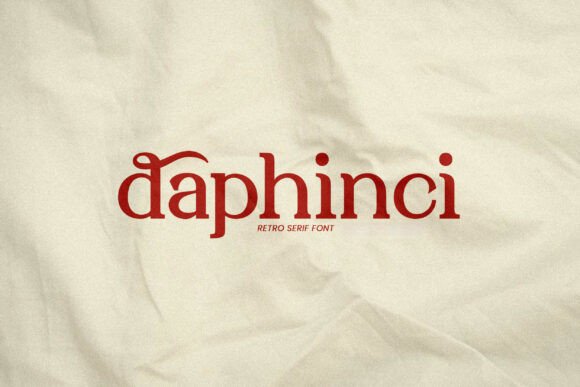
There’s something magnetic about typography that feels both familiar and fresh. You know the type—it catches your eye on a coffee shop menu, makes you pause scrolling through Instagram, or gives a wedding invitation that perfect blend of elegance and personality. Daphinci is exactly that kind of font. It’s a retro serif typeface that channels vintage charm without feeling stuck in the past, offering designers and creative professionals a versatile tool for projects that need to stand out with character and warmth.
What Makes This Typeface Feel So Timeless
At its core, Daphinci draws from mid-century design sensibilities—the kind of lettering you’d see on old movie posters, classic book covers, and vintage signage. But it doesn’t just replicate those styles. The curves are refined, the proportions are balanced, and the overall feel has been updated for contemporary use. The serifs have personality without being fussy. The letter spacing works well at both large and small sizes. It’s the difference between a font that looks like a period piece and one that uses retro inspiration as a launching point for something more dynamic.
What really sets this display font apart is its versatility across different contexts. Use it at 72 points on a poster, and the details shine. Drop it to 18 points for a subheading, and it still reads clearly. That kind of adaptability matters when you’re building a cohesive brand identity or designing marketing materials that need to work across multiple formats.
Where This Font Truly Shines
Let’s talk about practical applications, because that’s where typography proves its worth. For logo design, Daphinci brings instant personality. A boutique bakery, a craft distillery, an independent bookstore, a lifestyle blog—these are the kinds of brands that benefit from a serif font with heritage appeal and modern polish. It communicates authenticity and craftsmanship without trying too hard.
In packaging design, the font’s vintage-inspired details help products feel curated and intentional. Think about shelf appeal: when a customer scans a row of similar products, the one with thoughtful typography often wins. Daphinci gives labels, boxes, and tags a distinctive voice that suggests quality and care.
For editorial design—magazines, lookbooks, blog layouts—the typeface works beautifully for headlines and pull quotes. It draws readers in and creates visual hierarchy without relying on bold colors or oversized graphics. Pair it with a clean sans serif font for body text, and you’ve got a layout that feels polished and easy to navigate.
Social media graphics are another sweet spot. Instagram posts, Pinterest pins, Facebook headers—these platforms reward visual distinctiveness. A retro serif like Daphinci helps your content feel curated and intentional, which builds recognition over time. When followers start recognizing your font choices before they even read the text, you’re doing something right.
Building a Brand with Intentional Typography
Font selection isn’t just an aesthetic decision—it’s a strategic one. The typeface you choose becomes part of your brand’s voice. It shapes how people perceive your business before they read a single word. A premium font like Daphinci signals that you’ve invested thought into your visual presentation, which builds trust with your audience.
Consider how different font styles communicate different things. A handwritten font feels personal and casual. A geometric sans serif feels modern and minimal. A script font feels elegant and expressive. Daphinci occupies a specific niche: it says you appreciate tradition but you’re not living in the past. It works for brands that want to feel established, warm, and approachable—without looking stuffy or outdated.
For small business owners and entrepreneurs, this kind of visual consistency matters more than you might think. When your website, business cards, packaging, and social media all use complementary typography, the whole brand feels cohesive. Customers notice that, even if they can’t articulate why. It’s one of those details that separates amateur-looking brands from professional ones.
Pairing Daphinci with Other Fonts
No font works in isolation. The real magic happens when you pair typefaces thoughtfully. Daphinci pairs well with a range of options depending on the mood you’re after.
For a clean, modern contrast, try matching it with a simple sans serif font for body text. The serif headlines provide character while the sans serif body copy stays readable and uncluttered. This combination works especially well for websites, presentations, and marketing materials where clarity matters.
Want something with more personality? A subtle script font or written font can complement Daphinci for accent text—think taglines, callouts, or decorative elements. Just be careful not to overdo it. Two distinctive fonts in one design can feel chaotic. Use the secondary font sparingly and let each typeface have its own space.
When testing font pairings, always check how they look at the actual sizes you’ll use. A combination that works at poster scale might clash when reduced to a business card. Print test samples when possible, and view your designs on different screens. What looks balanced on a 27-inch monitor might feel cramped on a phone.
Practical Tips for Getting the Most from Your Font
Before committing to any creative font for a project, take time to explore what’s included. Many premium fonts come with multiple weights, stylistic alternates, and OpenType features that give you more flexibility. Daphinci offers different styles that let you adjust the mood—whether you need something bolder for a headline or lighter for a supporting role.
Readability should always be a priority, even with display fonts. Test your chosen typeface at the size and in the context where it will actually appear. A font that looks gorgeous in a design mockup might lose its charm when rendered poorly on certain screens or printed at low resolution. Check letter spacing, line height, and contrast against your background.
Don’t overlook commercial licensing either. If you’re using a font for client work, merchandise, or digital products you plan to sell, make sure your license covers those uses. It’s a detail that’s easy to skip when you’re excited about a design, but getting it wrong can create headaches later.
The Bigger Picture: Typography as a Design Asset
Great design isn’t about following trends—it’s about making deliberate choices that serve your goals. A serif font like Daphinci isn’t right for every project, and that’s fine. The point is to understand what different typefaces communicate and choose accordingly. Sometimes you need the warmth and character of a retro serif. Sometimes you need the neutrality of a modern sans. Knowing when to use each is what separates thoughtful design from decoration.
For content creators, marketers, and creative entrepreneurs, investing in quality design assets—including fonts—pays off over time. A well-chosen typeface becomes a foundational element of your brand identity, used across dozens or hundreds of projects. When you find a font that fits your voice and your audience, it becomes one less decision to make and one more way to build recognition.
Daphinci is the kind of typeface that rewards thoughtful use. It doesn’t shout for attention, but it holds it. It doesn’t try to be everything, but it works in more contexts than you might expect. Whether you’re designing a wedding invitation, launching a product line, refreshing your blog, or creating marketing assets for a client, having a retro serif with modern sensibility in your toolkit gives you options that feel both classic and current.